
Our mission
Intelligence across systems
We advance the science of how intelligence is selected, placed, and coordinated across a world of models, agents, and computing systems.
AI is becoming a distributed field of capabilities. Models differ in knowledge, reasoning, speed, cost, and risk. Computing spans devices, clouds, and specialized infrastructure. No single model or system is best for every task.
This changes the central question. Progress will depend not only on making each component more capable, but on understanding how capabilities should work together.
Our question: what should run, where, under which constraints—and how can a system explain why?
Agentic Intelligence Lab (AIL) develops the principles, methods, and systems needed to answer that question. Our agenda joins machine learning and computer systems: from routing and inference to infrastructure, verification, and control.
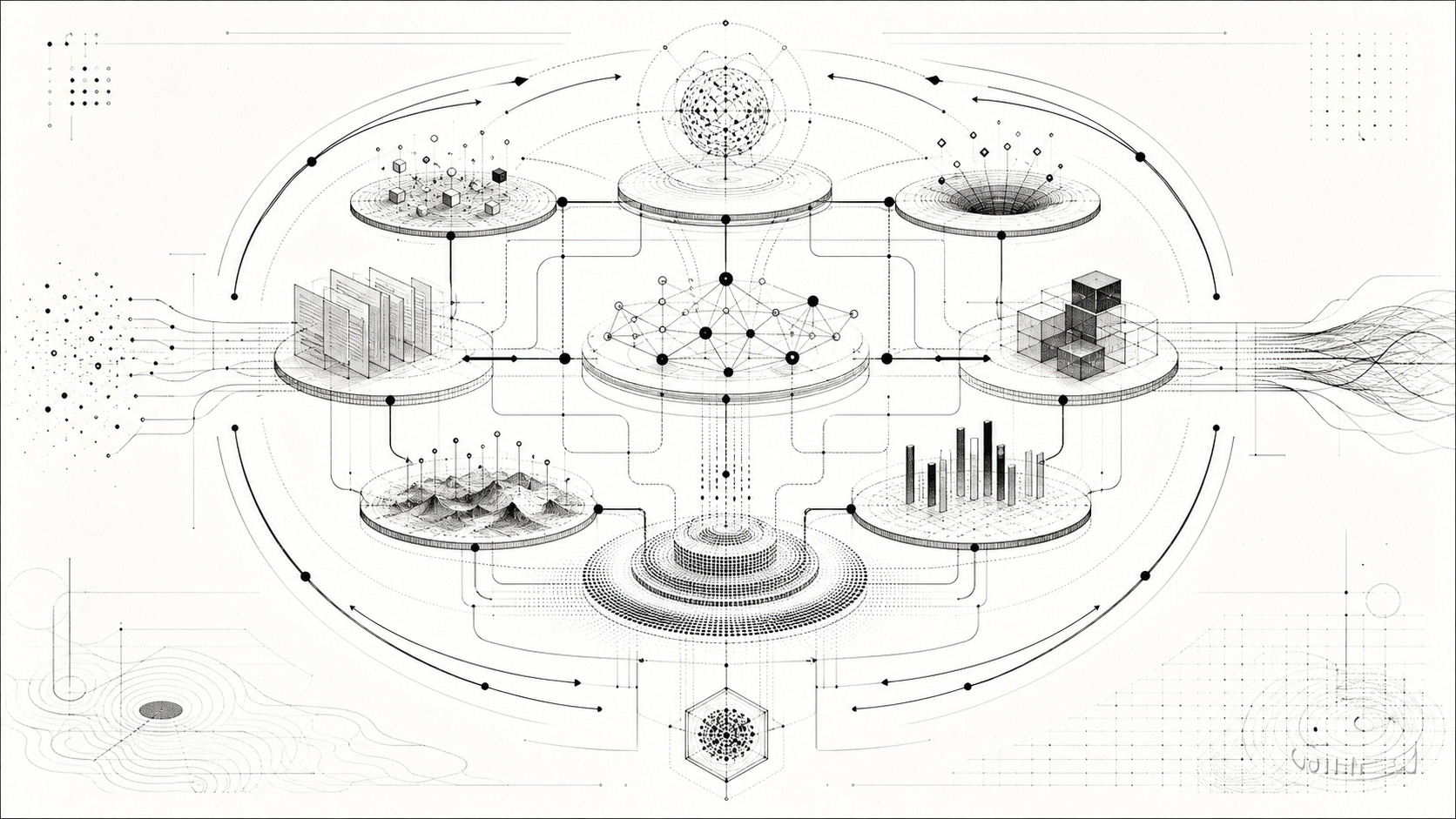
Research agenda
- Decision foundations. Methods that select models, tools, and actions from context, capability, uncertainty, and intent.
- Systems at scale. Architectures that coordinate routing, inference, and infrastructure across devices, clouds, and heterogeneous hardware.
- Trust and control. Mechanisms that make decisions observable, safe, and accountable from intent through outcome.
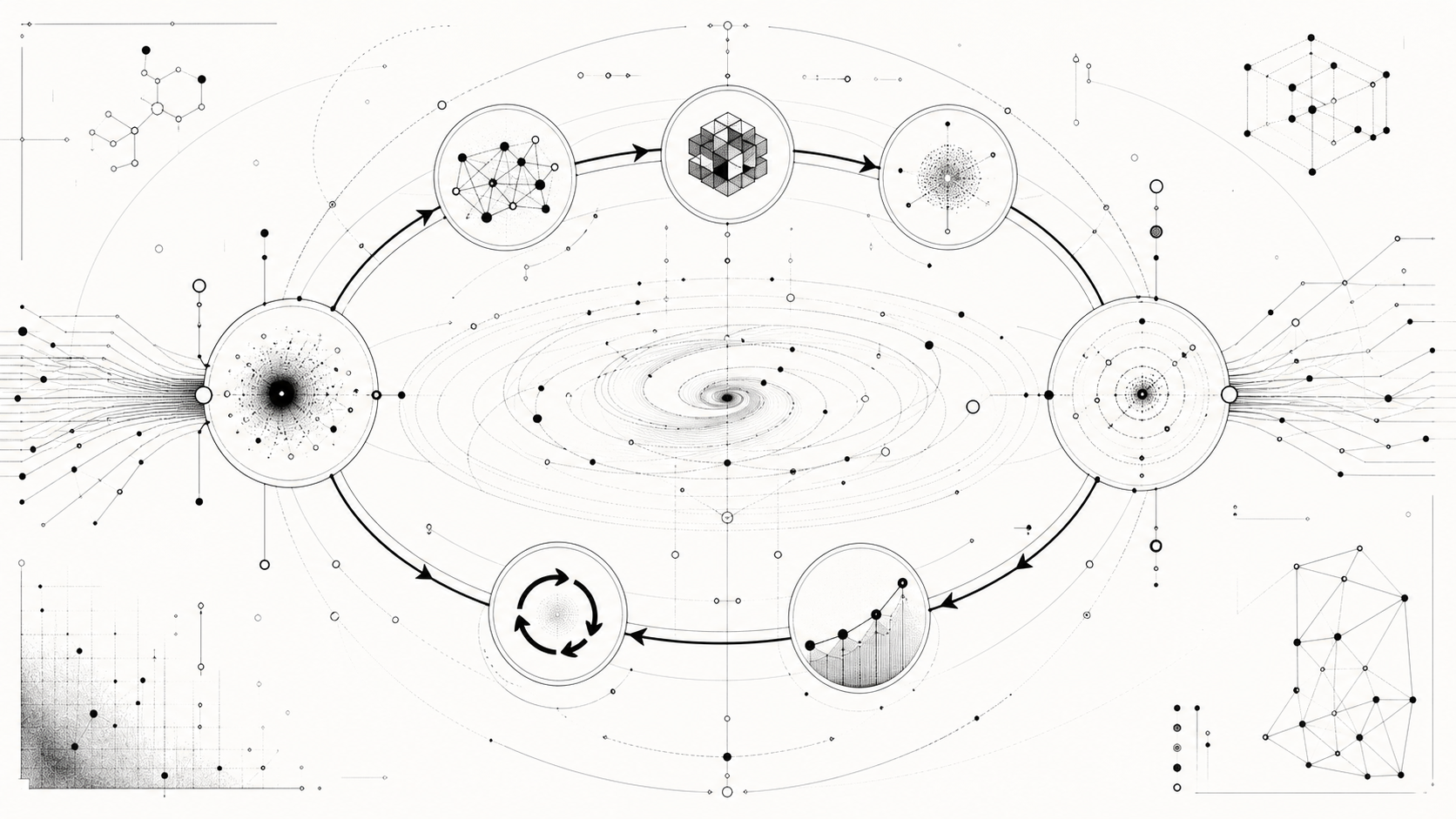
Our conviction
Intelligence will not reside in one model or one place. It will emerge from systems that can draw on the right capability at the right time—and account for the choices they make.
The next frontier is not only more capable models. It is a deeper science of how intelligence is selected and composed.
This is why routing, inference, memory, scheduling, safety, and evaluation belong to one research program. Each asks a version of the same question: how should a system act when there are many possible paths and no universal best choice?
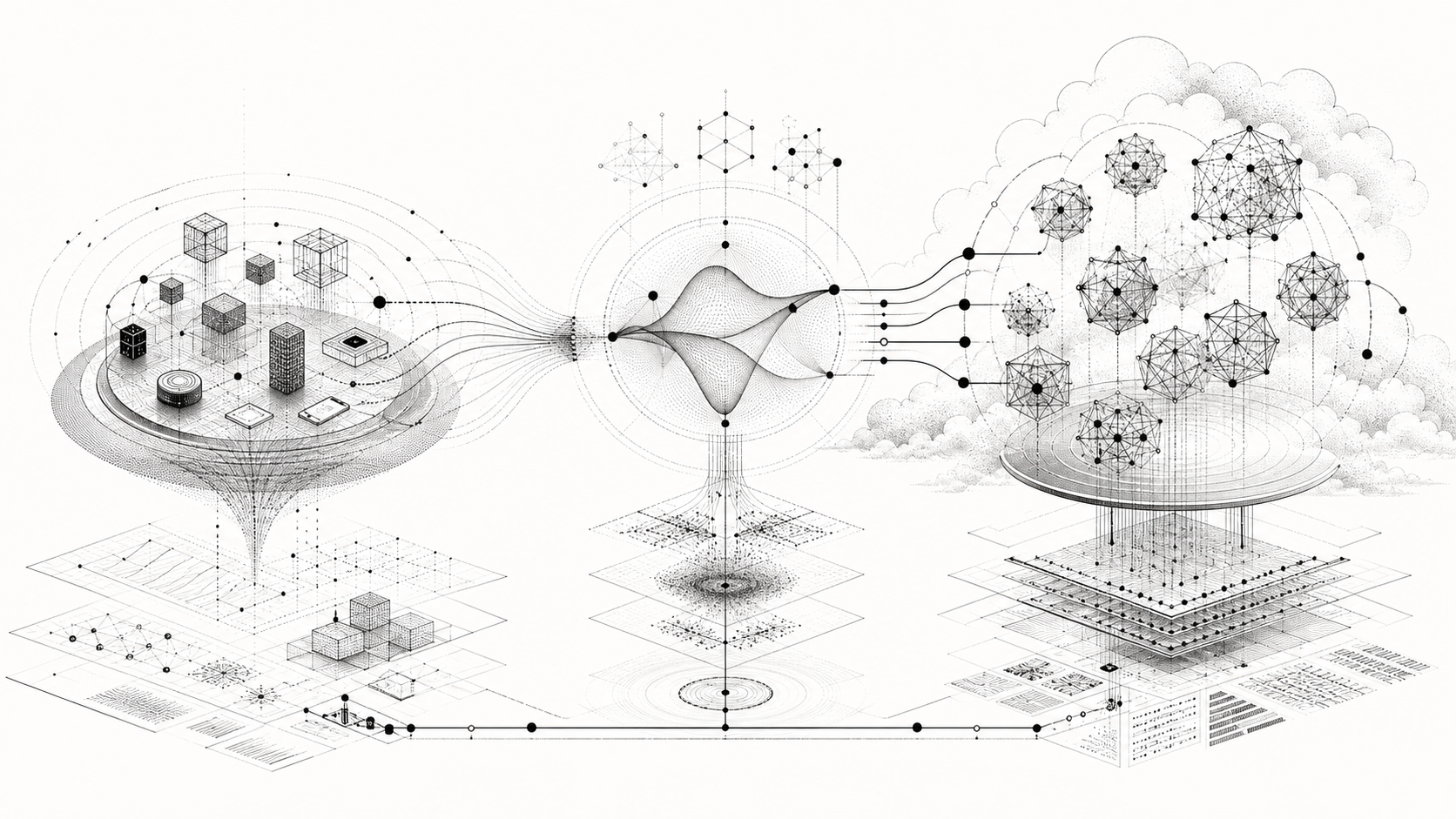
From research to reality
AIL advances this mission through open research, systems, and collaboration. We seek ideas that endure as models and infrastructure change—and results that hold beyond a single benchmark or product.
Rupta pursues the same question in practice: which intelligence should serve a task, where it should run, and which objectives it must satisfy. AIL and Rupta share an intellectual foundation while serving different roles. AIL develops broadly useful knowledge and open systems; Rupta turns those ideas into infrastructure and returns new questions from the field.
Our standard
Our work should be ambitious enough to outlast a generation of technology and concrete enough to be tested. Decisions should be explainable. Results should be reproducible. Progress should expand both what we understand and what intelligent systems can responsibly achieve.